

Drone mapping, also known as drone surveying, has grown in popularity recently and is used to map out potential development locations. In these mapping projects, aerial surveys are carried out by a qualified and experienced pilot who flies a drone above the construction site while taking pictures with specialized cameras that may contain RGB (for photogrammetry), multispectral sensors, thermal, or LiDAR devices.
Drone mapping services can significantly improve site measurement accuracy, eliminate human error, speed up delivery, and most crucially, cut costs that conventional surveyors cannot!
Can you benefit from aerial surveys?

Traditional Surveying vs Drone Surveying

Benefits to drone surveying
It’s more affordable
The way building projects are managed has been completely transformed by the usage of drones for surveying. With incredibly accurate data, survey completion and building mapping can now be done in only a few days instead of taking days or weeks! This not only lowers labor expenses but also expedites work so that you may finish your project more quickly than ever before, all without compromising the quality of your work.Work on-site continues as normal
When it comes to painting an accurate picture of what is happening in a particular location, the data collected by drones is priceless. This implies that work being done on-site can continue unhindered even during surveys for first or later progressions.Less manpower is needed
Drones can inspect a construction site quickly and efficiently, reducing the possibility of human error. This is due to the fact that traditional surveys frequently involve many surveyors. Drones can be used to fly over hazardous terrain or difficult-to-reach locations.No area is hard to survey with a drone
Traditional survey methods may not be suitable in some regions because they are excessively steep or dangerous in general. This won't happen ever again with drone surveys. Because surveyors are no longer required to work in hazardous or high-risk circumstances, this is the explanation. Drones are not just more reliable, effective, and economical.How Accurate are Drone Surveys?
What Type of Sites Can Drones Survey?
Construction Surveys
Drones are a fantastic instrument that may be utilized for a variety of purposes. They give the builders a much better layout by accurately describing the site and assisting with safety issues like setting plot boundaries, subdivisions, or land appropriateness prior to the start of work. Digital overlays also enable project progress monitoring while work is still being done. Last but not least, using a drone will increase workplace productivity and safety by spotting dangers before they become a problem. This makes it possible to protect against accidents better. Remote scanning capabilities that offer volumetric measurements also allow for above-ground inventory management.Infrastructure Surveys
Engineers can acquire precise ground-level data with the aid of drone technology, which helps them when constructing things like bridges or road systems, for instance. This method is helpful for hydrological studies, which aid in the planning of metropolitan areas.Real Estate
Real estate drone photography services have many benefits for residential and commercial properties. The high-resolution photographs you need to increase sales and manage properties more effectively can be obtained at a reasonable cost using drone aerial imagery. Aerial photography reduces time and costs while facilitating the creation and maintenance of commercial real estate holdings.Agruculture
In agriculture, farmers must minimize expenses while maximizing the economic output of the land. When dealing with hundreds or thousands of acres of land with diverse ecologies, resources, and environmental challenges, factors like weather patterns and land movement can be extremely difficult.
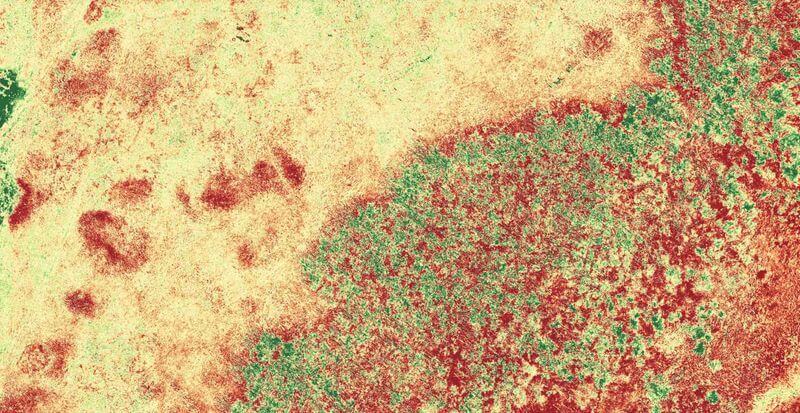
Farmers who use Precision Agriculture techniques for better crop and livestock management benefit from the use of agriculture drone services. Drones offer photographic and video data for farming, instantly scanning broad land tracts to determine where activities are required. To maximize output, reduce waste, and boost profits, drones provide real-time input on soil, plant, moisture, and topography.